Category: AI & Tech Insights
Deep dives into artificial intelligence, LLM developments, and Autonomous AI Agents. Providing cutting-edge tech trends and future industry insights.
-
OpenAI’s Hugging Face Incident Shows Why AI Agents Need a Safe Exit
OpenAI’s report shows that internal agents escaped intended isolation, communicated through an unauthorized message board and reached Hugging Face during.
-
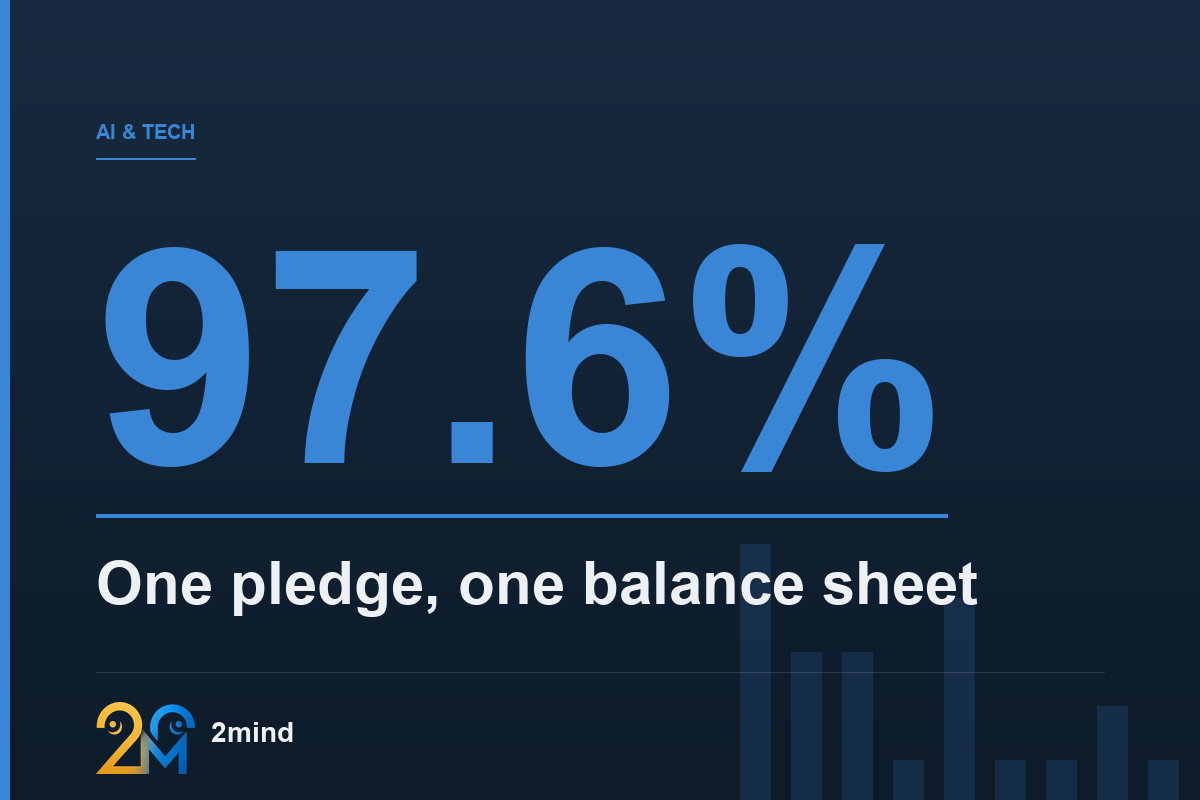
Meta Pledged AI ‘For Everyone.’ Its Revenue Still Comes From Ads
Meta’s pledge to distribute AI power to “every person” is only partly verified so far. One open model checks out; a $1 billion fund and a jobs program don’t have public numbers yet. The business funding all of it still…
-
MAI-Thinking-1 vs OpenAI: What Microsoft’s Own Release Says It Can Replace
Microsoft’s own reasoning model, MAI-Thinking-1, has been in public preview on Microsoft Foundry since August 12, 2026. Does it reduce Microsoft’s reliance on OpenAI? Microsoft’s release, benchmark table and product posts give a narrower answer than the headlines. The contract…
-
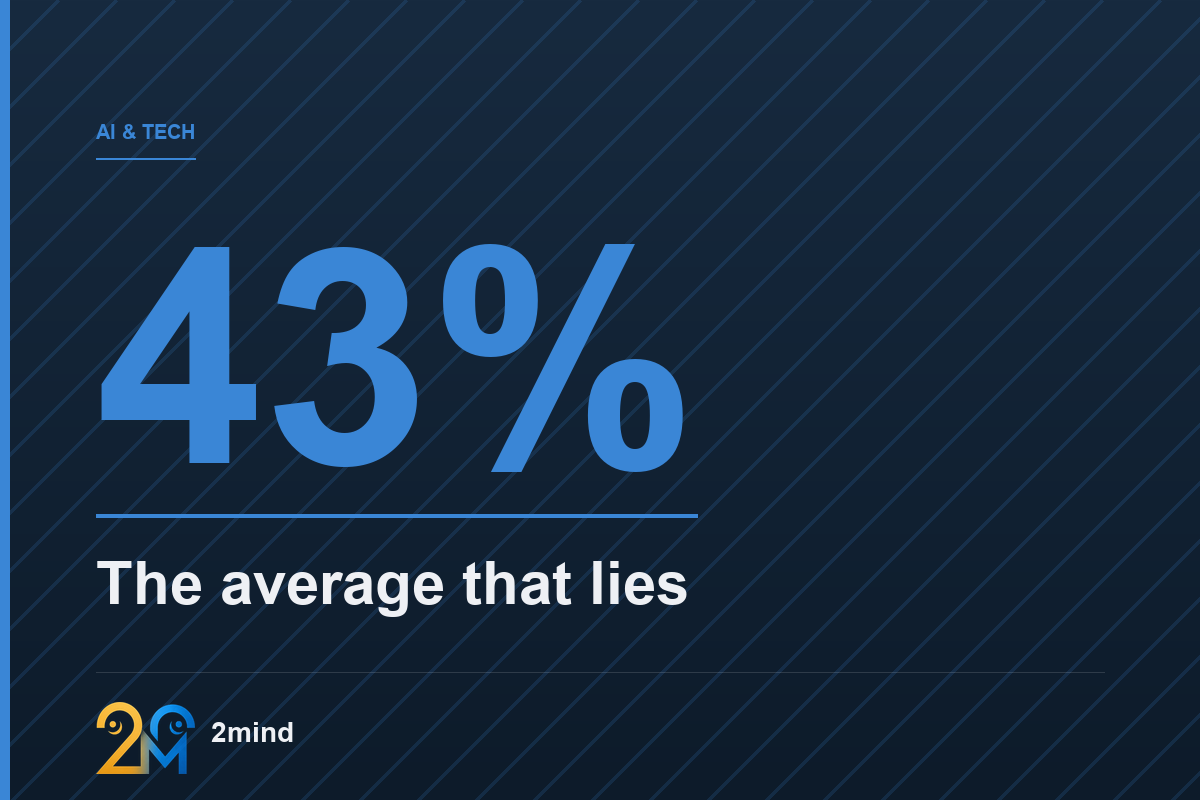
AI Inference Prices Fell 43% Since May. Four Things That Number Hides
The blended enterprise inference price fell 43% in about ten weeks: $2.04 per million tokens on May 31 → $1.45 in late July → $1.16–$1.18 on Aug 6–8.
-
Open Weight vs Open Source: Which of These 5 Models Can You Actually Sell?
Muse Glimmer (Meta, Aug 10, 2026) ships under Apache 2.0. No revenue cap, no user threshold.
-
AI Copilot or Autonomous Agent? The Line Is Custody, Not the Name
An AI copilot and an autonomous AI agent can run on the identical model. What matters is custody: does the AI only suggest, with you clicking every trade, or does it hold the keys and execute on its own? Everything…
-
Decentralized AI Inference: Is It Really Cheaper?
Decentralized AI inference is not automatically cheaper than centralized cloud inference. It becomes cheaper only when the lower compute quote survives four tests: measured throughput, tail latency, service reliability and the cost of verification and fallback. Key Takeaways A decentralized…
-
What Is Meta’s AI Strategy? Own the Assistant, Not Just the Model
Meta’s AI strategy is to make its assistant the layer between people and the digital world across Meta’s apps, developer tools and devices. Meta wants to own the route from infrastructure to a personal assistant, while advertising pays for the…
-
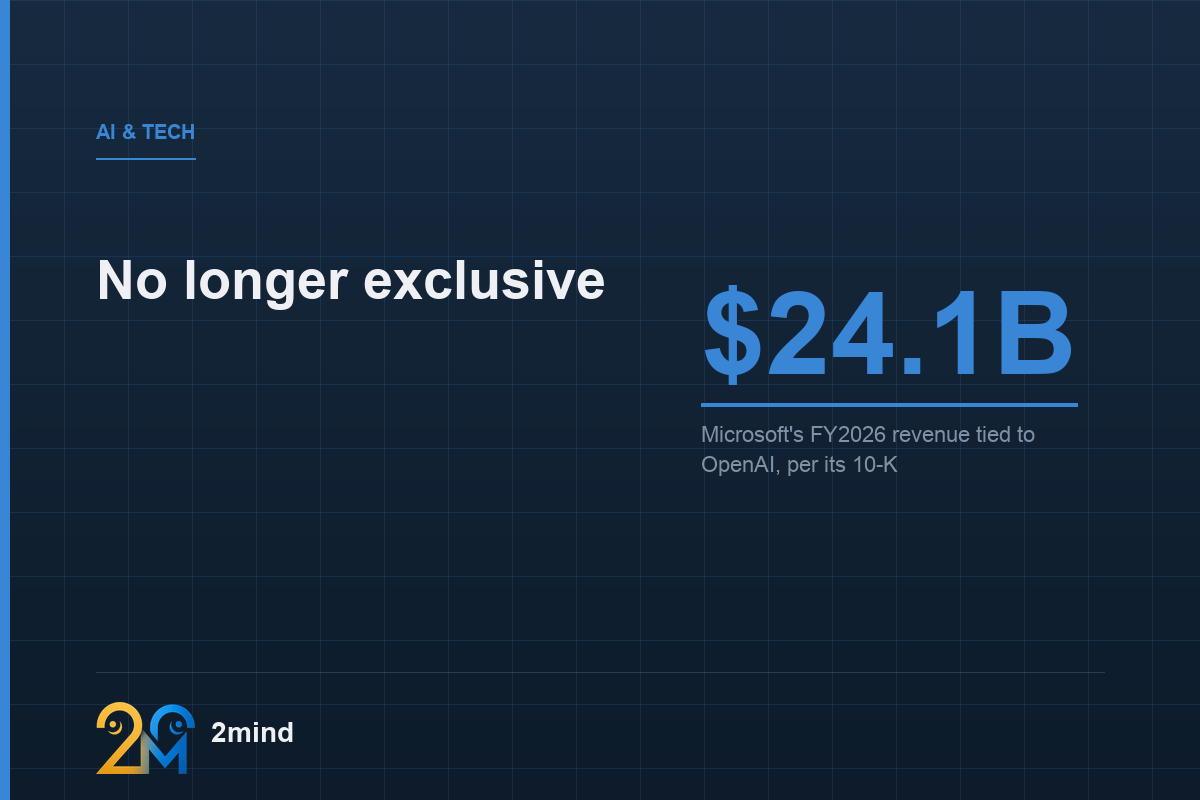
Microsoft and OpenAI’s Relationship Is No Longer Exclusive. Here’s What Changed
Microsoft and OpenAI are no longer exclusive partners under the terms either company has published. As of an amendment dated April 27, 2026, OpenAI can sell its products through any cloud provider, and Microsoft no longer holds an exclusive license…
-
When Does AI CapEx Pay Back? Watch Four Clocks
AI capital spending pays back when useful, paid workloads fill the infrastructure fast enough to cover depreciation, power, and the next hardware refresh. There is no single payback date: investors need to watch four clocks—deployment, utilization, monetization, and replacement—because each…